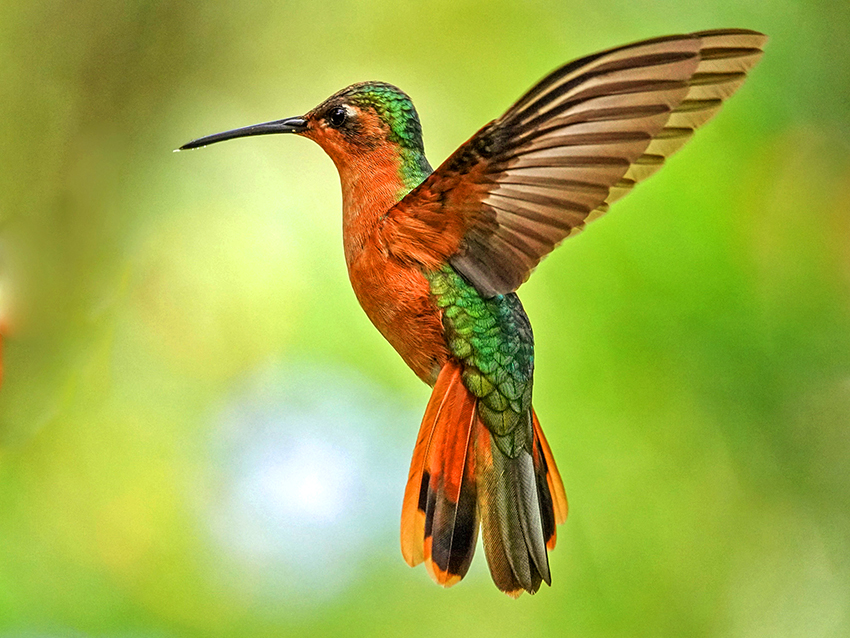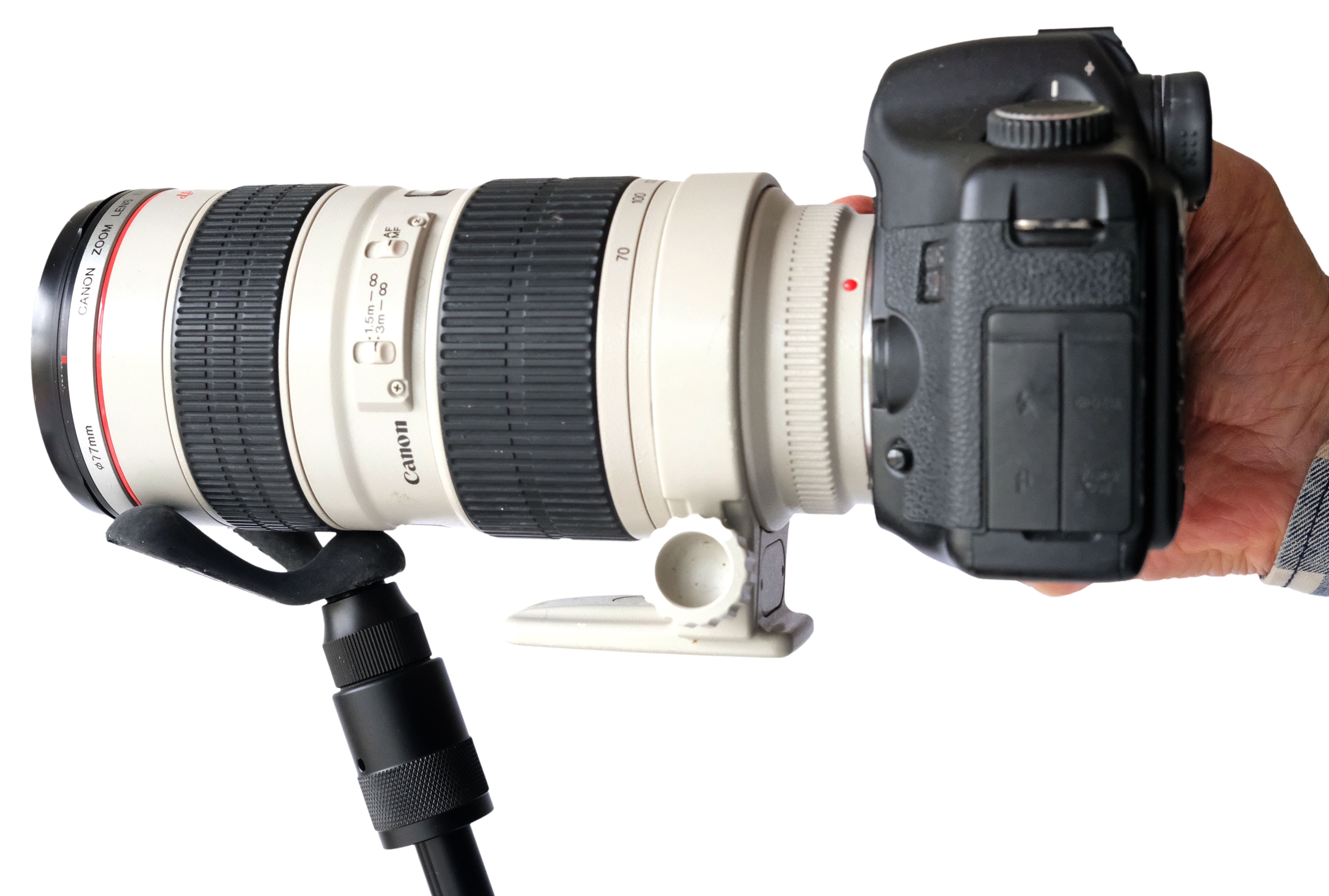

There’s a paradox in wildlife photography: the longer and heavier your lens, the more support you need — but the more support gear you carry, the less mobile you become. Heavy telephoto lenses in the 400–600mm range can weigh 3–4 kilograms. Add a gimbal head and carbon fiber tripod, and you’re carrying an extra 5 kg before you even start hiking.
The Fork Rest Advantage
Steadify’s support fork was designed specifically with telephoto shooters in mind. The Y-shaped cradle distributes the lens weight across two contact points, preventing the barrel from rolling or shifting. Unlike a gimbal, which requires levelling and balancing, the fork rest works instantly — just set the lens down and shoot.
The fork accommodates lenses from 70–200mm zooms all the way up to 600mm super-telephotos. The wide opening of the Y-shape means you don’t need to adjust anything when switching between lenses. It simply works.
Setting Up in Two Seconds
Here’s the typical workflow: you’re walking a trail, camera hanging from your shoulder strap. You spot a bird in a distant tree. In one fluid motion, you extend the monopod from your belt, place the lens in the fork, and you’re shooting. Total setup time: roughly two seconds.
Compare that to a tripod setup: unsling the tripod, extend the legs, level the head, mount the camera, adjust the height, and then aim. By the time you’re ready, the bird has flown.
Sharpness You Can Feel
The stability gain is immediately visible in your images. Where handheld shots at 500mm might show motion blur at 1/500s, Steadify users regularly report sharp results at 1/125s or even slower. That’s two to three stops of practical advantage — which translates directly to lower ISOs and cleaner images.
For anyone shooting long glass in the field, Steadify isn’t a compromise. It’s an upgrade.
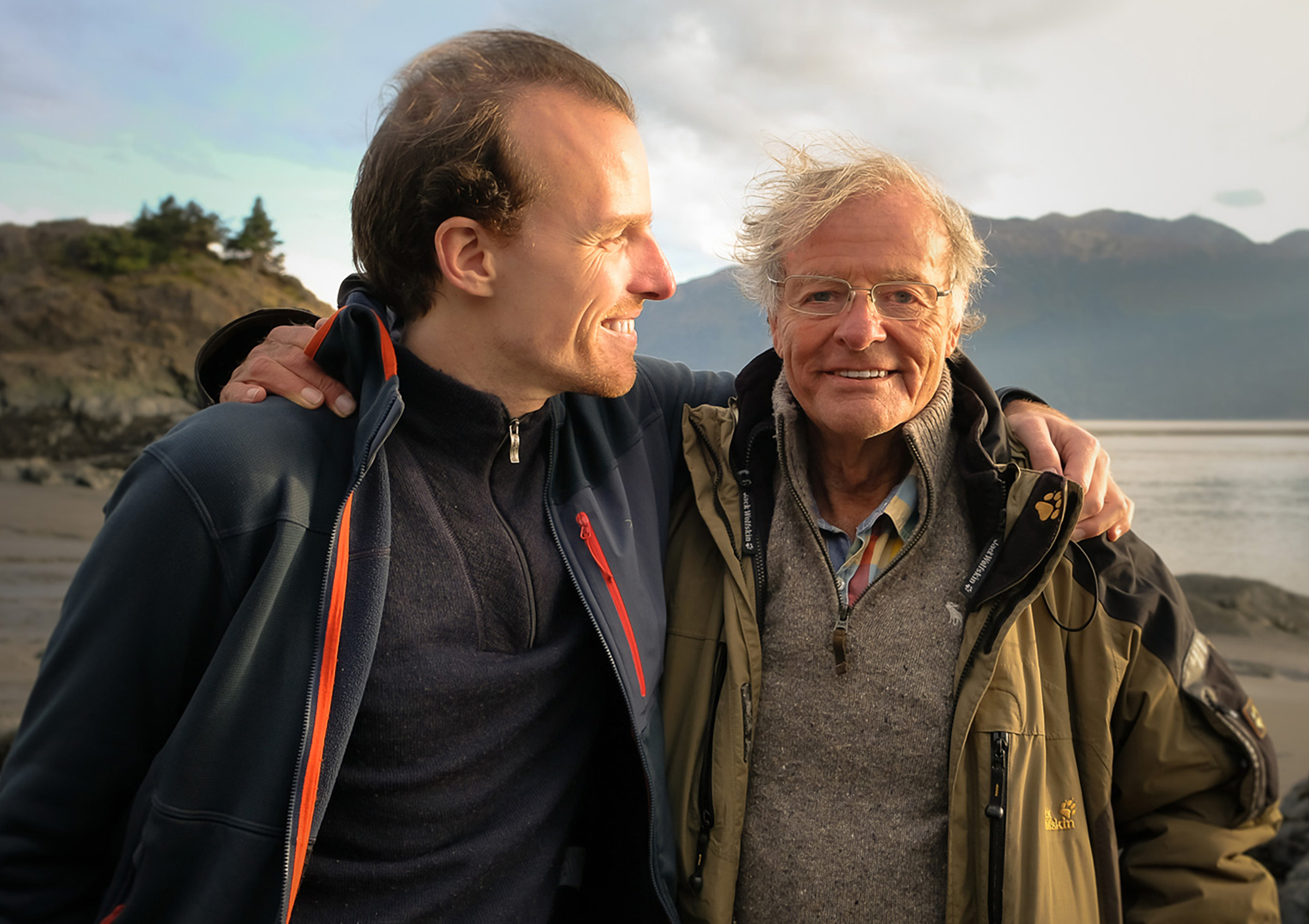
Co-founder of Steadify and passionate photographer whose images have been published worldwide for clients like Lufthansa, Panasonic, and GEO Magazine. Inspired by decades of fieldwork, Gert turned inventor.